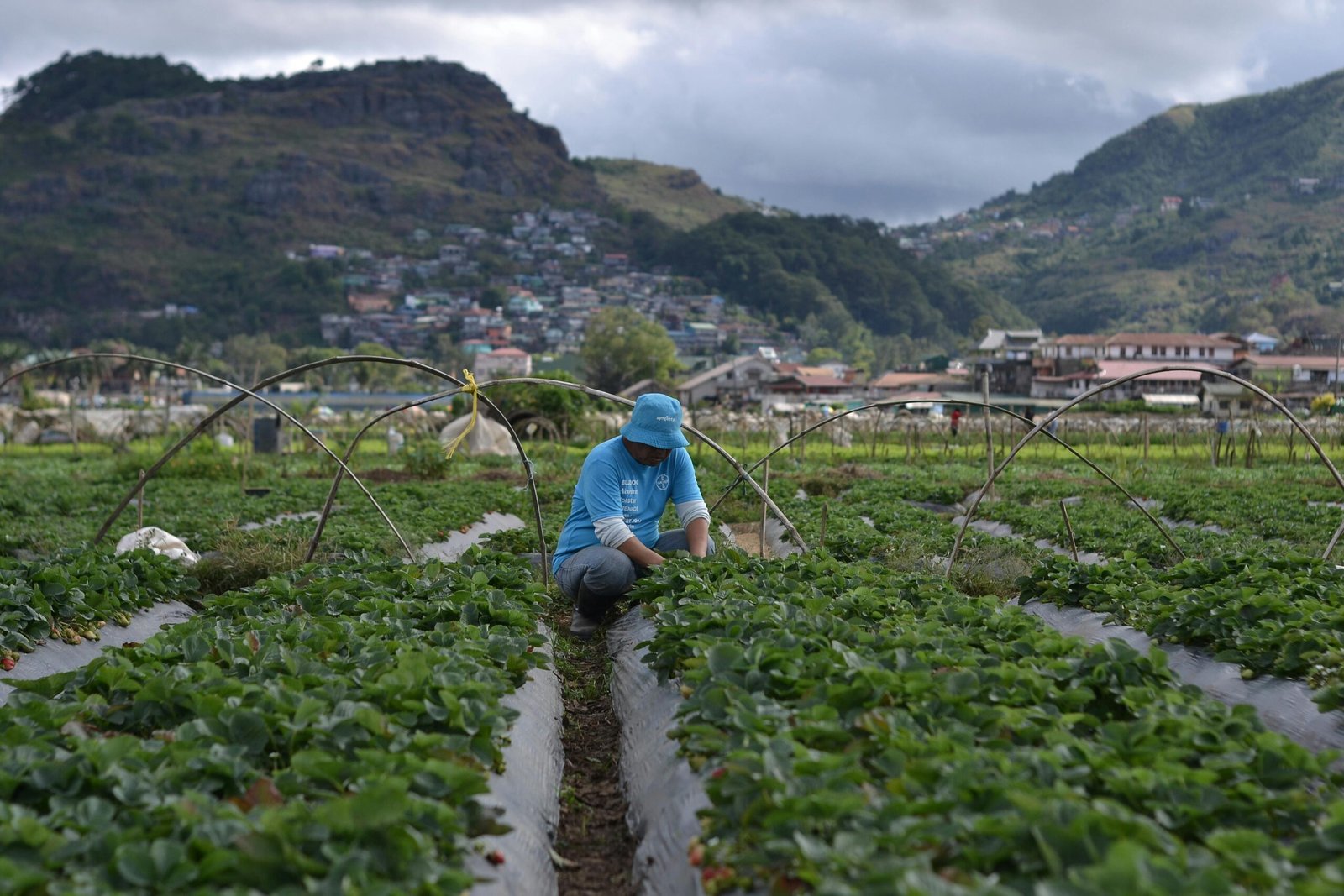
Picture yourself waking up in a comfortable cottage surrounded by rolling Canadian farmland, breathing fresh country air, and heading to work just steps from your front door—all while earning a steady income and paying zero rent. For thousands of international workers every year, farm jobs in Canada with accommodation aren’t just employment opportunities; they’re life-changing pathways to building new futures in one of the world’s most beautiful countries
Canada’s agricultural sector is experiencing a significant labor shortage, with farms across the country desperately seeking reliable workers for the 2026 season. The solution? Many farms are now offering comprehensive packages that include not just competitive wages, but free or heavily subsidized accommodation, making these positions incredibly attractive for both Canadian residents and foreign workers seeking legitimate work opportunities.
Whether you’re looking to experience Canadian rural life, save money without worrying about rent, gain work experience that can lead to permanent residency, or simply explore a different career path, farm jobs with accommodation in Canada offer unique advantages that urban employment simply can’t match. In this detailed guide, we’ll show you exactly how to access these opportunities, what to expect, which farms are hiring, and how to make your application stand out.
Why Canadian Farms Are Offering Accommodation
The math is simple: Canada’s farms need workers, but affordable housing in rural areas is often scarce. Even when housing exists, transportation challenges make it difficult for workers to reach remote farm locations. By providing on-site accommodation, farms solve multiple problems simultaneously—they ensure workers can easily get to work, reduce turnover, create community among their workforce, and attract talent who might otherwise choose urban employment.
Additionally, Canada’s Seasonal Agricultural Worker Program (SAWP) and other agricultural immigration streams have traditionally included accommodation provisions, creating an industry standard that many farms now extend to all workers, not just international recruits.
The accommodation advantage transforms farm work economics entirely. While urban jobs might pay slightly more per hour, farm positions with free accommodation effectively increase your take-home income dramatically. Saving $800-$1,500 monthly on rent means significantly more money in your pocket despite potentially lower hourly wages.
For farms, providing housing is an investment in workforce stability. Workers living on-site demonstrate better attendance, integrate more fully into farm operations, and often stay for full seasons rather than leaving mid-contract. It’s genuinely a win-win arrangement that benefits both employers and employees.
Types of Farm Jobs Available for 2026
Canadian agriculture is incredibly diverse, offering various positions across different farming operations:
Fruit and Vegetable Harvesting: The most common positions involve picking strawberries, blueberries, apples, tomatoes, peppers, and various vegetables. These jobs are often seasonal (May through October) but offer consistent work during harvest periods. Pay typically ranges from $15-18/hour or piece-rate (paid per quantity picked), with experienced pickers sometimes earning $20-25/hour through efficiency.
Greenhouse Operations: Year-round opportunities exist in greenhouse facilities growing tomatoes, peppers, cucumbers, flowers, and cannabis. These climate-controlled environments offer stable employment regardless of season. Wages typically $16-20/hour with potential for supervisory advancement.
Dairy and Livestock Farming: Milking cows, feeding livestock, barn maintenance, and animal care positions. These jobs are physically demanding but offer year-round stability. Pay ranges $16-22/hour depending on experience and responsibilities.
General Farm Labor: Planting, weeding, irrigation, equipment operation, maintenance, and various seasonal tasks. Wages typically $15-19/hour. Often entry-level positions requiring minimal experience.
Specialized Agricultural Roles: Tractor operators, irrigation technicians, greenhouse technicians, and livestock specialists command higher wages ($20-28/hour) but require specific skills or certifications.
Farm Management and Supervisory Positions: Crew supervisors, farm managers, and agricultural specialists earn $45,000-$70,000+ annually and typically receive superior accommodation arrangements.
The beauty of agricultural work is the variety—you’re not stuck doing identical tasks every day, and seasonal cycles create natural rhythm and diversity in your work life.
What “Accommodation Included” Actually Means
Let’s clarify exactly what you can expect when farms advertise accommodation:
Housing Types: Most farms provide either individual bedrooms in shared houses (2-6 workers per house), small cottages or cabins, mobile homes, or bunkhouse-style accommodations. Quality varies significantly—some farms offer excellent modern facilities while others provide more basic arrangements.
Typical Amenities: Standard farm accommodation includes furnished bedrooms (bed, dresser, closet), shared kitchens with appliances and cooking equipment, bathrooms with showers, laundry facilities (washers and dryers), WiFi internet (though speeds may be slower than urban areas), heating for Canadian winters, and parking spaces.
Cost Structure: “Free accommodation” means exactly that—zero rent deducted from paychecks. Some farms charge minimal amounts ($50-150 monthly) covering utilities, but this is clearly stated upfront. “Subsidized accommodation” typically means heavily discounted rent ($200-400 monthly versus market rates of $800-1,500).
Living Standards: While accommodation won’t match luxury apartments, most farms provide clean, safe, comfortable housing meeting Canadian building codes and employment standards. Many farms take pride in their worker housing, understanding that good living conditions improve retention and productivity.
Privacy and Community: Most arrangements balance privacy (individual bedrooms) with community spaces (shared kitchens, living areas). This creates opportunities to build friendships with fellow workers while maintaining personal space.
Location: Accommodation is typically on the farm property or within very short distances, meaning minimal or zero commute—a huge quality-of-life advantage.
Real Success Story: From Jamaica to Southern Ontario
Let me tell you about Trevor, a 26-year-old from Jamaica who’d worked various jobs at home but struggled to support his family on limited income. In 2024, he applied for a farm position in Ontario’s Norfolk County through the Seasonal Agricultural Worker Program.
“I was nervous leaving home, but I needed the opportunity,” Trevor recalls. He arrived in April to work on a large vegetable farm, assigned to a shared house with three other workers from Jamaica and Mexico. “The house was nicer than I expected—clean, fully furnished, with good kitchen equipment. We each had our own rooms. It felt like home surprisingly quickly.”
Trevor worked primarily harvesting tomatoes, peppers, and cucumbers through the growing season. The work was physically demanding—long days, repetitive tasks, outdoor heat—but the camaraderie among workers and supportive farm owners made it manageable. His hourly wage of $16.50 doesn’t sound extraordinary, but with zero rent, he saved approximately $10,000 over six months while still sending regular remittances home to his family.
“Back home, I might have earned $400-500 monthly. Here, even after sending money to my mother and daughter, I saved more than I’d earn in two years in Jamaica,” he explained. Trevor returned for the 2025 season, and the farm has indicated they’ll support his eventual application for permanent residency through agricultural immigration pathways.
“That free accommodation was everything. It meant I could actually save, not just survive. It changed my family’s entire financial situation,” Trevor reflects. His story represents thousands of agricultural workers building better futures through Canadian farm employment.
Top Regions and Farms Hiring for 2026
Ontario: The agricultural heartland, particularly Norfolk County, Niagara Region, Essex County, and Simcoe County. Major employers include Del Fresco Produce, Lakeside Produce, Scotlynn Group, and hundreds of family farms growing fruits, vegetables, and greenhouse crops. Accommodation is standard across most operations.
British Columbia: Okanagan Valley (fruit orchards), Fraser Valley (berry farms, greenhouse operations), and Vancouver Island (mixed agriculture). Farms like Sun-Rype, Houweling’s Tomatoes, and numerous berry operations actively recruit with accommodation provisions.
Quebec: Montérégie region farms (vegetables, berries), apple orchards throughout the province. Many farms participate in SAWP and provide housing for all workers.
Alberta: Vegetable farms, grain operations, livestock ranches. Southern Alberta farms particularly active in recruiting with accommodation packages.
Atlantic Provinces: Nova Scotia apple orchards, New Brunswick potato farms, Prince Edward Island vegetable operations. Smaller operations but excellent community integration and often superior accommodation quality.
Prairie Provinces: Saskatchewan and Manitoba grain farms, livestock operations. Less intensive labor needs but year-round positions more common.
Specific farm names and hiring information changes annually, but Job Bank (Canada’s official employment site), agricultural job boards like AgCareers.com, and provincial agricultural employment programs list current openings. Many farms also recruit through their websites directly.
Work Permits and Immigration Pathways
For Canadian Residents: If you’re already in Canada (citizen, permanent resident, or valid work permit holder), you can apply directly to farm positions without additional authorization. Accommodation packages make these positions financially attractive even for domestic workers.
Seasonal Agricultural Worker Program (SAWP): For workers from Mexico and Caribbean countries participating in SAWP. Farms handle work permit arrangements, provide accommodation as program requirement, and facilitate annual returns. This is the most established pathway for international agricultural workers.
Temporary Foreign Worker Program – Agricultural Stream: For workers from countries outside SAWP. Employers obtain LMIAs and sponsor work permits. Accommodation is typically provided. Processing times vary but generally 2-4 months from job offer to arrival.
International Mobility Program: Some positions qualify under IMP provisions. Faster processing than TFWP in some cases.
Agri-Food Immigration Pilot: Permanent residency pathway for experienced agricultural workers. After one year of Canadian farm work experience in qualifying positions, you may apply for permanent residency directly. This program creates clear pathways from temporary farm work to permanent Canadian status—a game-changer for agricultural workers.
Provincial Nominee Programs: Some provinces prioritize agricultural workers in their immigration streams, particularly Manitoba, Saskatchewan, and Atlantic provinces.
The key advantage: agricultural work explicitly qualifies for immigration pathways that can lead to permanent residency, making farm jobs more than temporary employment—they’re strategic immigration opportunities.
Realistic Salary and Savings Potential
Let’s break down actual earning and saving potential with accommodation included:
Scenario 1 – Seasonal Worker (6 months):
- Hourly wage: $16.50/hour
- Hours: 45 hours weekly (40 regular + 5 overtime)
- Weekly gross: approximately $728
- Monthly gross: approximately $3,150
- 6-month gross income: approximately $18,900
- Accommodation savings: $7,200 (versus $1,200/month market rent)
- Effective income advantage: $26,100 equivalent
After taxes, food, personal expenses, potential savings: $8,000-$12,000 over six months is realistic for disciplined workers.
Scenario 2 – Year-Round Greenhouse Worker:
- Hourly wage: $18/hour
- Full-time hours: 40 hours weekly
- Annual gross: approximately $37,440
- Accommodation savings: $14,400 annually
- Effective income advantage: $51,840 equivalent
After taxes and living expenses, annual savings of $15,000-$20,000 is achievable.
Scenario 3 – Experienced Specialized Worker:
- Hourly wage: $22/hour
- Including overtime: $48,000-$52,000 annually
- Accommodation savings: $14,400
- Effective income advantage: $62,000-$66,000 equivalent
These numbers demonstrate why farm jobs with accommodation are financially compelling despite seemingly modest hourly wages—the accommodation component fundamentally changes the economics.
Application Process and Success Strategies
Step 1: Identify Opportunities – Search Job Bank using keywords “farm,” “agriculture,” “accommodation provided.” Check provincial agricultural employment services. Visit farm websites directly (many post openings). Consider working with licensed recruitment agencies specializing in agricultural placement (ensure they’re legitimate and don’t charge you fees).
Step 2: Tailor Your Application – Emphasize physical fitness, reliability, previous outdoor/labor work experience (even if not farming), willingness to work various shifts and weather conditions, and interest in rural lifestyle. Mention if you have transportation, though it’s less critical with on-site accommodation.
Step 3: Be Honest About Experience – Farms value honesty over exaggerated claims. If you lack farming experience, emphasize trainability, work ethic, and related transferable skills.
Step 4: Understand Seasonal Timing – Applications for May-October positions typically open January-March. Year-round positions hire throughout the year but most actively in late winter. Apply early for best selection.
Step 5: Prepare for Interviews – Expect questions about physical capability, reliability, ability to work in teams, flexibility with tasks, and understanding of seasonal nature. Ask thoughtful questions about accommodation specifics, work schedules, and farm operations.
Step 6: Verify Accommodation Details – Request photos or detailed descriptions of housing. Ask about room arrangements, amenities, utilities, internet access, and distance from nearest towns. Clarify any costs you’ll be responsible for.
Step 7: For Foreign Workers – Ensure employer will provide LMIA/work permit support. Verify they have legitimate SAWP or TFWP participation. Request written job offers clearly stating accommodation provisions. Prepare required documents (passport, references, medical exams if required).
Day-to-Day Farm Life: Setting Honest Expectations
Farm work is physically demanding. You’ll be outside in all weather—hot summer sun, rain, early morning cold. Tasks are often repetitive. Harvest seasons mean long days, sometimes 10-12 hours during peak periods. Your body will be sore initially as you adjust to physical labor.
Rural living differs dramatically from urban life. Nearest grocery stores may be 15-30 minutes away. Entertainment options are limited. You’ll rely on personal transportation or coordinate with fellow workers for trips to town. Internet may be slower. Social life centers around your farm community and nearby small towns.
However, the advantages are genuine: peaceful environment with minimal noise and stress, incredible natural beauty and outdoor access, tight-knit communities where neighbors know each other, lower cost of living overall, and connection to food production that’s deeply satisfying for many people.
Farm living teaches practical skills, builds physical fitness, offers time for reflection and personal growth, and creates lasting friendships with fellow workers from diverse backgrounds. Many workers initially skeptical about rural life discover they genuinely love it.
Practical Considerations and Tips
What to Bring: Work clothes and boots (farms may provide some PPE), casual clothing, winter gear if staying through cold months, personal toiletries and medications, entertainment (books, tablets, hobbies), cooking equipment if you have preferences, and important documents.
Money Management: Open a Canadian bank account upon arrival if staying long-term. Budget carefully—rural areas have lower costs but require planning. Many workers send regular remittances home while still saving for themselves.
Health and Safety: Farms provide safety training and equipment. Take it seriously—agricultural work has injury risks if protocols aren’t followed. Most farms have good safety records and prioritize worker wellbeing.
Social Connection: Join worker community activities. Many farms organize social events. Connect with local churches, community centers, or cultural groups for newcomers. Stay in touch with home through video calls.
Transportation: If possible, having a vehicle greatly improves quality of life, though many workers manage without cars by coordinating with others. Some farms provide occasional transportation to town for shopping.
FAQs Section
Q: Is accommodation really free, or are there hidden costs?
A: Most farms offering “free accommodation” genuinely charge zero rent—nothing deducted from paychecks. Some farms charge nominal utility fees ($50-100 monthly) or minimal rent ($100-200 monthly), but this is disclosed upfront in job postings. Always confirm accommodation costs in writing before accepting positions. Legitimate farms are transparent. If anything seems unclear, ask directly. The vast majority of Canadian farms offering accommodation are honest and straightforward about arrangements.
Q: Can I bring my family if I get a farm job with accommodation?
A: This depends entirely on the specific farm and accommodation arrangements. Some farms provide family-suitable housing (apartments or small houses) and welcome workers bringing spouses and children—this is more common for year-round positions and supervisory roles. Seasonal positions typically provide shared accommodations unsuitable for families. Always ask during the application process. If you have a valid work permit, your spouse may be eligible for an open work permit, and children can attend Canadian schools. Discuss family situations early to find appropriate opportunities.
Q: What happens to my accommodation during off-seasons if I’m working seasonally?
A: Seasonal farm positions typically provide accommodation only during your employment period (May-October usually). When the season ends, most workers return home or find winter employment elsewhere. Some farms offer year-round positions to valued employees, providing continuous accommodation. A few operations in regions with complementary agricultural seasons (harvest in Ontario summer, greenhouse work in winter) can connect workers to year-round employment with continuous housing. This is worth discussing if you want year-round Canadian presence.
Q: Do I need farming experience to get hired for positions with accommodation?
A: No, most entry-level farm positions don’t require previous agricultural experience. Farms expect to train new workers. What matters most is physical fitness, reliable work ethic, willingness to learn, and ability to handle outdoor physical labor. Previous experience in construction, landscaping, manufacturing, or any physical work demonstrates capability. Specialized positions (tractor operation, greenhouse technology, livestock management) do require experience or certifications, but general labor positions are accessible to beginners willing to work hard.
Q: How do farm jobs with accommodation compare to city jobs for foreign workers?
A: Financially, farm jobs with free accommodation often equal or exceed city positions despite lower hourly wages. Urban jobs paying $18-20/hour require you to pay $800-1,500 monthly rent, while farm jobs paying $16-18/hour with free housing save you that entire amount. Your net savings are often higher with farm employment. Lifestyle-wise, it’s personal preference—farms offer peace, nature, and community but lack urban amenities, entertainment, and diversity. Many foreign workers choose farm work specifically for the savings potential and clearer immigration pathways (Agri-Food Pilot), then transition to urban areas after gaining permanent residency.
Conclusion: Your Canadian Farm Adventure Awaits
Farm jobs in Canada with accommodation aren’t just about picking vegetables or milking cows—they’re about opportunity, transformation, and building futures that seemed impossible from wherever you started. They represent accessible pathways to Canadian work experience, substantial savings potential, permanent residency possibilities, and immersion in rural Canadian life that millions of people worldwide dream about but few actually access.
The physical work is real. The early mornings are real. The distance from urban excitement is real. But so is the opportunity to save $10,000-$20,000 annually while paying zero rent. So is the chance to experience Canada’s stunning agricultural landscapes. So is the pathway to permanent residency through programs specifically designed for agricultural workers. So is the dignity of honest work feeding people, the camaraderie of diverse teams working toward common goals, and the pride of building something meaningful with your own hands.
Trevor from Jamaica found his pathway. Thousands of others from Mexico, the Philippines, Guatemala, Romania, Thailand, and beyond are building their Canadian dreams one harvest season at a time, living in farm-provided housing and saving money they never could have accumulated back home.
The 2026 season is approaching. Right now, farms across Canada are planning their hiring, preparing their worker accommodations, and searching for reliable people willing to work hard and become part of their agricultural communities. Those positions could include you.
Maybe you’ve been searching for legitimate Canadian work opportunities but urban jobs seem financially out of reach with expensive rent. Maybe you’ve wanted to experience rural life but worried about housing logistics. Maybe you’re seeking immigration pathways that value hard work over expensive credentials. Farm jobs with accommodation solve all these challenges simultaneously.
Your Canadian story doesn’t have to start in a gleaming Toronto office tower. It can start in a strawberry field in Ontario, a greenhouse in British Columbia, or an apple orchard in Nova Scotia—with a comfortable room waiting for you at the end of each work day, rent-free, and a future limited only by your willingness to embrace this opportunity.
The farms are hiring. The accommodation is ready. The pathway exists. The only thing missing is you—ready to take that first step, submit that first application, and begin this chapter.
Canada’s agricultural heartland is calling. Your room is waiting. Your future is growing. All you have to do is say yes and start the journey.
Apply now for 2026. Your Canadian farm adventure—and the life it could unlock—is closer than you think.