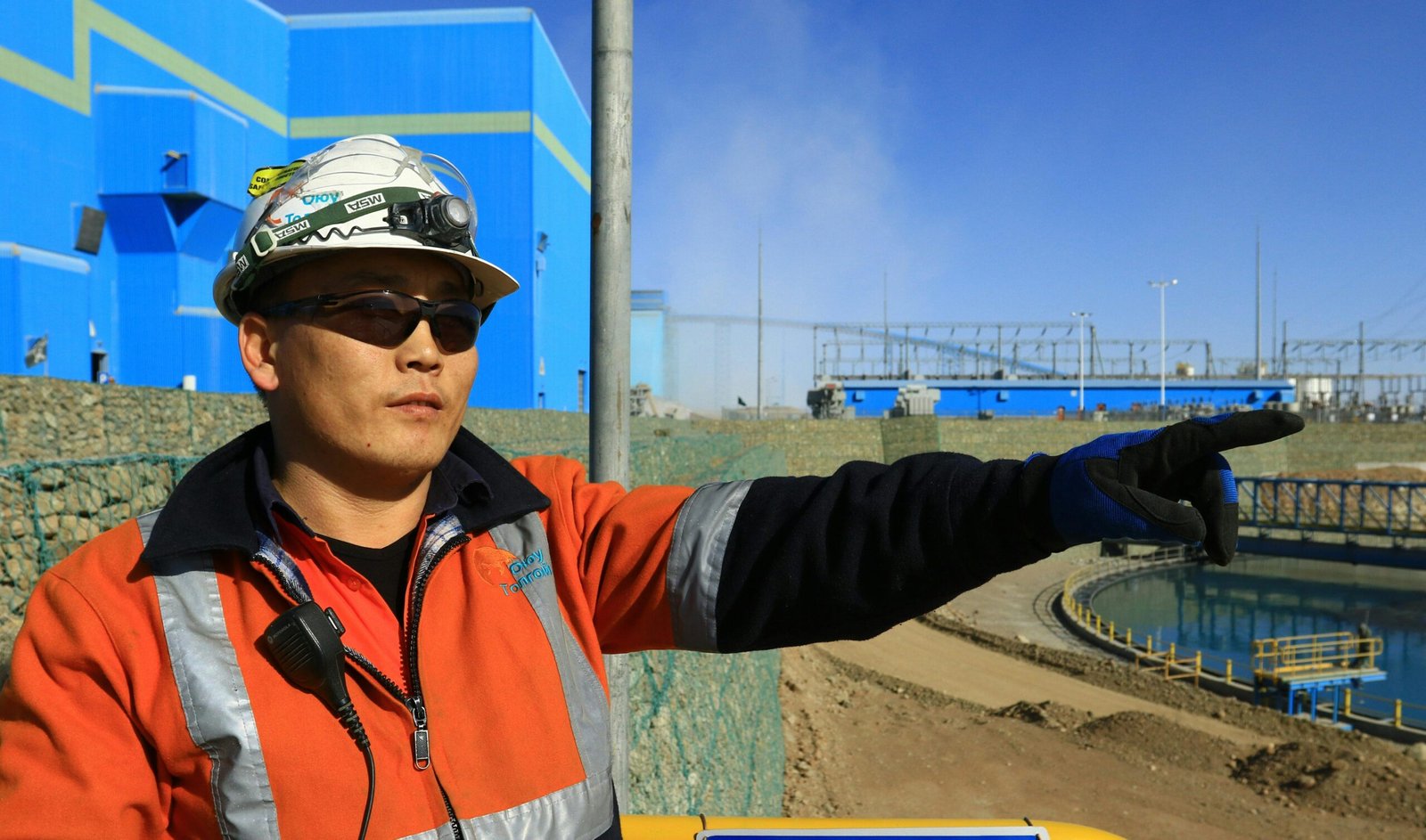
Here’s something that might surprise you: one of Europe’s most beautiful and historically rich countries is also one of its most desperate for skilled and semi-skilled construction workers right now. Italy’s building sector is booming — fuelled by government infrastructure investment, earthquake reconstruction projects, and a massive green building renovation programme — yet the country simply doesn’t have enough workers to meet demand. That’s where you come in.
If you’re a bricklayer, welder, electrician, plumber, scaffolder, or general labourer from outside the EU, construction jobs in Italy with visa sponsorship in 2026 represent one of the most realistic and well-paid pathways into European employment. In this guide, we’ll cover exactly what you need to know: real salary figures, the visa system that makes it possible, what employers are looking for, and how to apply — step by step.
Why Italy’s Construction Sector Is Hiring Foreign Workers in 2026
Italy’s construction industry faces a structural labour shortage that’s been building for years. An aging domestic workforce, low birth rates, and a steady decline in young Italians entering skilled trades have created a very significant gap between construction demand and available labour.
Italy’s labour market faces growing pressure due to several structural issues, including an aging population combined with consistently low birth rates, and chronic labour shortages in sectors such as construction, manufacturing, and logistics. Agfoods
The Italian government’s response has been historic in scale. Over 230,550 visas will be allocated to non-seasonal and self-employed workers, particularly in construction, manufacturing, logistics, and essential services — with the intake beginning at 164,850 work visas in 2026 and increasing annually until 2028. Agfoods
Construction is explicitly named as a priority sector — making 2026 a genuine window of opportunity for international workers ready to apply.
Types of Construction Jobs Available in Italy for Foreign Workers
Italy’s construction sector is broad and multi-layered. Here are the roles most actively sought from foreign workers:
- General Construction Labourer – site preparation, demolition, material handling, and support for skilled tradespeople
- Bricklayer / Muratore – laying bricks, blocks, and stone for both new builds and historical restoration
- Welder – metalwork on structural frames, pipelines, and industrial projects
- Electrician – installation and maintenance of electrical systems in residential, commercial, and industrial buildings
- Plumber / Hydraulic Technician – installing and servicing water, gas, and heating systems
- Scaffolder – erecting and dismantling scaffolding on construction and renovation sites
- Carpenter / Formwork Specialist – constructing wooden frameworks and moulds for concrete structures
- Tiler and Finisher – floor and wall tiling, plastering, and surface finishing
- Construction Site Supervisor – overseeing daily operations, team coordination, and safety compliance
- Civil / Structural Engineer – higher-skill role for those with formal engineering qualifications
Construction and infrastructure sectors specifically need welders, plumbers, electricians, and site supervisors for ongoing public and private construction projects. Glassdoor Italy is also heavily investing in earthquake-resistant rebuilding and heritage restoration — creating long-term demand for specialised skilled trades.
Construction Worker Salary in Italy 2026
Let’s get straight to the numbers — because this is what makes Italy genuinely attractive.
The average pay for a construction worker in Italy is approximately €34,433 per year, with an hourly rate of €17. The salary range for this role typically falls between €25,205 and €41,045. AtoZ Serwis Plus
Here’s how salaries break down by specific role:
| Role | Approximate Monthly Gross | Annual Estimate |
|---|---|---|
| General Construction Labourer | €1,300 – €1,600 | ~€15,600 – €19,200 |
| Bricklayer / Tiler | €1,600 – €2,000 | ~€19,200 – €24,000 |
| Plumber / Electrician | €1,800 – €2,400 | ~€21,600 – €28,800 |
| Welder | €1,900 – €2,500 | ~€22,800 – €30,000 |
| Scaffolder | €1,700 – €2,200 | ~€20,400 – €26,400 |
| Site Supervisor | €2,200 – €3,000 | ~€26,400 – €36,000 |
| Construction Engineer | €3,300 – €4,800 | ~€40,000 – €57,000+ |
Italian construction sector collective agreements also mandate overtime pay at 35% above the hourly rate, plus travel allowances — €46.48 per day for work outside the worker’s home province. People Managing People When you add in overtime, bonuses, and the mandatory 13th-month salary payment, your annual take-home rises meaningfully above the base figures.
Northern Italy — especially Lombardy, Emilia-Romagna, Veneto, and Piedmont — offers the highest job availability and salaries. Glassdoor If you’re aiming for maximum earnings, target the industrial north.
Italy’s Decreto Flussi: The Visa Pathway for Construction Workers
The most important thing to understand about working legally in Italy as a non-EU citizen is the Decreto Flussi — Italy’s government-managed immigration flow decree.
What Is the Decreto Flussi?
Italy will allocate 497,550 work permits over three years under the Decreto Flussi 2026–2028. The programme includes seasonal workers in agriculture and tourism, and non-seasonal areas including construction, logistics, caregiving, and manufacturing. Canadian Job Hub
About 76,000+ visas in 2026 are for non-seasonal jobs across a wide range of sectors including industry, construction, and services — essentially all major industries are eligible. Opportunities Nexus
Priority Countries for Construction Visas
If you’re from one of the nations on Italy’s priority list, you have access to a dedicated quota. 25,000 work visas in 2026 are reserved for citizens of 38 specified non-EU priority countries, including Albania, Algeria, Bangladesh, Egypt, India, Morocco, Nigeria, Pakistan, Senegal, Sri Lanka, Tunisia, Ukraine, and others. Opportunities Nexus
The Step-by-Step Visa Process
To apply under Italy’s job quota in 2026, the process works as follows: the employer applies online through the Sportello Unico per l’Immigrazione portal; the employer obtains the Nulla Osta (work authorization); the worker then applies for a Type D Work Visa at the Italian Embassy or Consulate; travels to Italy after visa approval; and requests a Residence Permit (Permesso di Soggiorno) within 8 days of arrival. Canadian Job Hub
A few important details to keep in mind:
- Work permits typically take around 2–3 months from employer application to approval. Seasonal Work Visa
- The employer is responsible for the cost of your work visa sponsorship — you should not be asked to pay for this. Primafoods
- Applications are submitted during “Click Day” windows — specific dates when employer quota applications open online. You need a confirmed job offer before Click Day.
What Construction Employers in Italy Are Looking For
The qualification bar for construction roles in Italy is practical, not academic. Here’s what most employers and immigration requirements call for:
Non-negotiable basics:
- Valid passport
- Clean criminal record (police clearance certificate from your home country)
- Age 18 or above
- Physical fitness for manual, outdoor, and sometimes heights-based work
Strongly preferred:
- 1–3 years of relevant trade experience (bricklaying, welding, electrical, plumbing, etc.)
- Any vocational training certificate or trade qualification from your home country
- Basic safety awareness (site induction training, PPE use)
- Basic conversational Italian or English (varies by employer — many large sites have multilingual supervisors)
For skilled trade roles (plumber, electrician, welder):
- Vocational trade certificates are a significant advantage and may be required by larger companies
- Welding certification (e.g., ISO 9606 or equivalent) is highly valued
Applicants must meet specific requirements including employment contracts, accommodation arrangements, and background checks — and employers play a key role in initiating applications under Italy’s quota-based system, making employer sponsorship essential for most applicants. Seasonal Work Visa
Real Story: From Lahore to a Construction Site in Turin
Imran, a 33-year-old from Lahore with four years of experience as an electrician in local construction, began searching for European opportunities in early 2025. He registered on EURES, prepared a bilingual CV highlighting his trade certificates, and connected with a Turin-based civil engineering firm through a licensed recruitment agency. The company submitted the Nulla Osta on Click Day, the visa was approved within 11 weeks, and Imran flew to Turin with a 12-month renewable contract paying €2,100 per month gross.
His first month’s earnings — after sending remittances home — still covered his modest shared accommodation and all living expenses comfortably. By month six, he’d enrolled in an evening Italian language course. By month fourteen, he was being considered for a team leader role.
“The hardest part,” he later shared, “was trusting that the system actually works. It does — if you do everything correctly.”
How to Find and Apply for Construction Jobs in Italy with Visa Sponsorship
Here’s your practical action plan:
- Search reputable job platforms — use EURES (eures.europa.eu — the EU’s official cross-border employment portal), Indeed Italy (it.indeed.com), InfoJobs Italy, and LinkedIn. Search terms like “edilizia lavoro stranieri” (construction work for foreigners), “operaio edile sponsorship”, and “nulla osta costruzioni” will return targeted results.
- Target northern Italy first — Lombardy (Milan), Piedmont (Turin), Veneto (Verona, Venice), and Emilia-Romagna (Bologna) have the highest concentration of construction firms actively sponsoring foreign workers.
- Prepare your documents now — before Click Day — have your passport, trade certificates, reference letters from previous employers, police clearance, and a professional CV ready in both Italian and English.
- Work with a licensed recruitment agency — several agencies in Pakistan, India, and Bangladesh specialize in placing construction workers in Italian companies under the Decreto Flussi. Verify they are ASSOLAVORO-registered or operate under an official bilateral agreement.
- Apply during Click Day windows — follow news from the Italian Ministry of Interior (interno.gov.it) for Click Day dates. Have your job offer confirmed beforehand.
- Register your Permesso di Soggiorno within 8 days of arrival — this is a legal requirement under Italian immigration law and must not be delayed.
⚠️ Fraud warning: Never pay any agent, recruiter, or third party an upfront fee to “guarantee” you a job or visa in Italy. Your employer is responsible for the cost of your work visa sponsorship. Primafoods If someone asks you for money to secure a position, it is almost certainly a scam.
Benefits That Come With Construction Jobs in Italy
Beyond the salary, a legal full-time construction contract in Italy comes with significant protections and perks:
- 13th-month salary — a mandatory bonus equivalent to one month’s pay, paid at year-end
- Paid annual leave — at least 4 weeks per year under Italian law
- Overtime pay — regulated by the national construction collective agreement (CCNL Edilizia)
- Health coverage — access to Italy’s national health service (SSN) once you’re a registered resident
- Social security contributions — paid by your employer toward your future pension entitlements
- Travel and site allowances — for working outside your registered work province
- Family reunification rights — numerous Italy work visas include provisions for family reunification, permitting visa holders to bring close family members to reside with them in Italy. Primafoods
- Pathway to long-term residency — after legally living and working in Italy for five consecutive years, workers can apply for a long-term residence permit. Glassdoor
FAQs: Construction Jobs in Italy with Visa Sponsorship
Q: Can unskilled labourers get construction jobs in Italy with visa sponsorship? A: Yes. General construction labour roles require no formal qualifications. Physical fitness, reliability, and a clean record are the primary criteria. Employers provide on-the-job safety training.
Q: How competitive is it to get selected under the Decreto Flussi quota for construction? A: Construction, manufacturing, and caregiving fall under the non-seasonal category, with roughly 230,550 visas allocated over 2026–28. Competition exists, but the quotas are substantial and underutilised in recent years — early preparation and a confirmed job offer give you a strong advantage.
Q: Do I need to speak Italian to work on a construction site in Italy? A: Basic site Italian helps significantly, but it is not always a strict requirement for entry-level labour roles. Many large construction companies operating in northern Italy have multilingual site supervisors. Enrolling in a basic Italian course before departure is strongly recommended.
Q: Can a construction job in Italy lead to permanent residency? A: Yes. After five continuous years of legal residence and employment, you become eligible to apply for a long-term EU residence permit — an important milestone on the road to permanent settlement in Europe.
Q: What happens if my employer’s Nulla Osta application is rejected? A: You can reapply in the next Decreto Flussi Click Day cycle with a new or different employer. This is why having multiple job applications in progress at once is a smart strategy.
Conclusion: Your Skill Is Worth More in Italy Than You Think
We want to be honest with you, because you deserve that.
The process isn’t instant. There are Click Days to wait for, documents to gather, and weeks of uncertainty while paperwork moves through government desks. It asks for patience. It asks for preparation. And yes, it asks for courage — because moving countries to build someone else’s structures, while you’re still building your own future, is not a small thing.
But here’s what we also want you to know: the demand is real. The visas are real. The salaries — which would represent a transformation for many families — are real. And tens of thousands of construction workers from Pakistan, India, Bangladesh, Egypt, and beyond are already earning European wages on Italian building sites, sending money home, renewing their permits, and quietly building lives that their younger selves could barely have imagined.
You have skills. Italy has sites. And in 2026, there’s a legal, structured pathway connecting the two.
Prepare your documents. Find your employer. Apply on Click Day.
In bocca al lupo — into the mouth of the wolf, as the Italians say. The bold reply is: crepi il lupo — may the wolf perish.
Go get it.