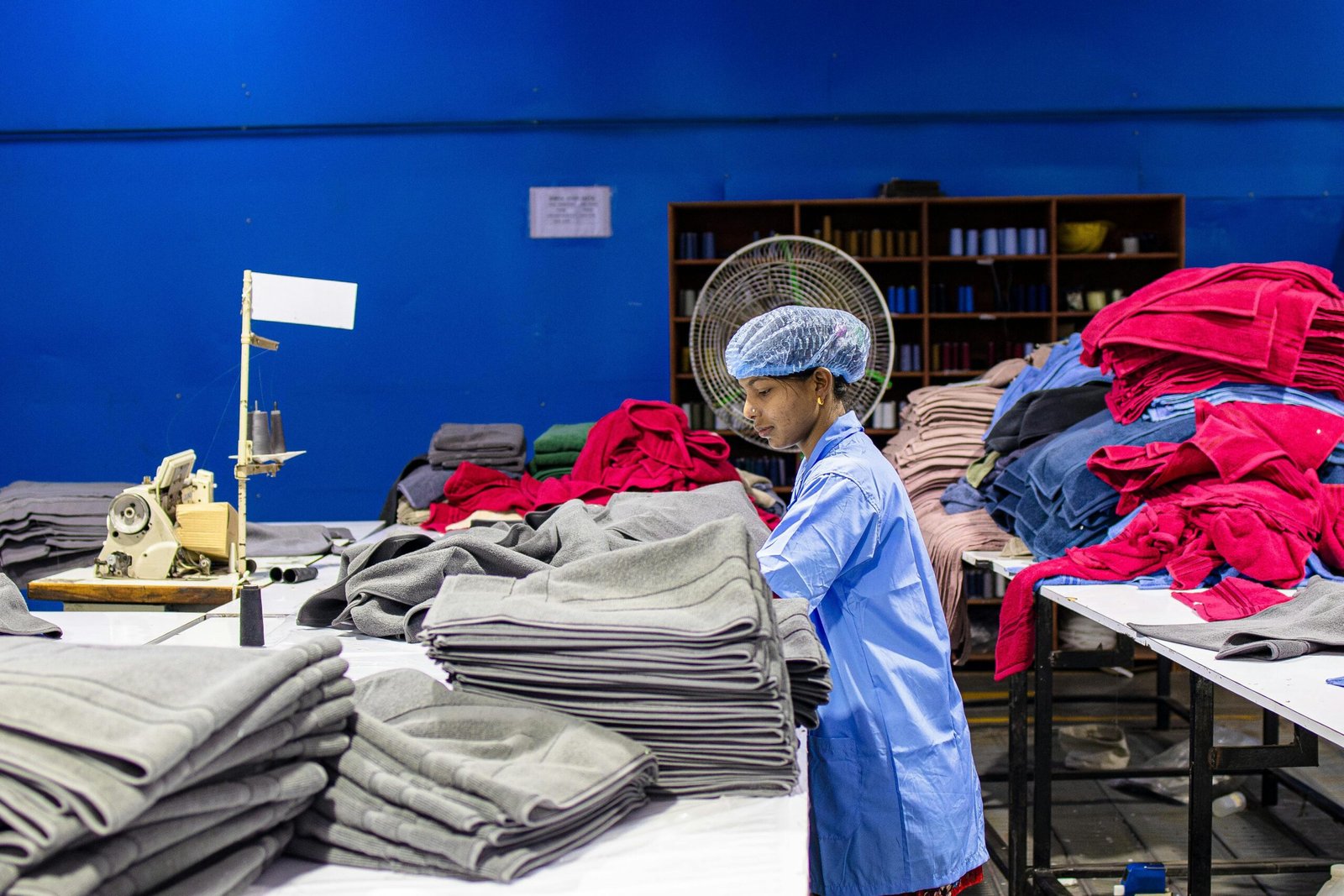
Are you dreaming of building a new life in Canada while securing stable employment? You’re not alone. Every year, thousands of international workers discover that factory worker positions in Canada offer more than just a paycheck—they provide a legitimate pathway to permanent residency, competitive wages, and the opportunity to establish roots in one of the world’s most welcoming countries.
Factory worker jobs in Canada with work permit sponsorship have become increasingly accessible in 2025, with manufacturers across provinces actively recruiting international talent to fill critical labor shortages. Whether you’re in food processing, automotive manufacturing, or general production, Canadian employers are offering immediate start positions with comprehensive visa support. This guide will walk you through everything you need to know about landing these opportunities, from application strategies to salary expectations and settlement support.
Why Canada Needs Factory Workers Now
Canada’s manufacturing sector is experiencing unprecedented growth, creating a surge in demand for skilled and semi-skilled factory workers. The country’s aging workforce, coupled with expansion in key industries like food processing, automotive parts, pharmaceuticals, and consumer goods manufacturing, has created over 60,000 job openings in the manufacturing sector alone.
Key factors driving demand include:
- Labor shortage crisis: Retirement of baby boomers has left significant gaps in the production workforce
- Economic expansion: Government investments in domestic manufacturing have boosted production capacity
- Export growth: Increased international trade requires higher production volumes
- Automation transition: While technology advances, human oversight and skilled operation remain essential
The federal government recognizes this challenge, which is why immigration programs specifically targeting factory workers and manufacturing professionals have been streamlined. Provinces like Ontario, Alberta, British Columbia, and Manitoba have dedicated Provincial Nominee Programs (PNPs) that fast-track applications for workers in high-demand manufacturing roles.
Types of Factory Worker Jobs Available with Work Permits
Canada’s manufacturing landscape offers diverse opportunities across multiple sectors. Understanding which positions align with your skills and experience increases your chances of securing work permit sponsorship.
Food Processing and Packaging These positions represent the largest segment of factory jobs available to international workers. Meat processing plants, bakeries, dairy facilities, and frozen food manufacturers consistently hire throughout the year. Typical roles include production line workers, quality control inspectors, packaging operators, and sanitation specialists. Starting wages range from CAD $16-22 per hour, with many employers offering shift premiums and overtime opportunities.
Automotive and Parts Manufacturing Ontario and Quebec host Canada’s automotive hub, with major manufacturers and countless parts suppliers. Assembly line workers, quality assurance technicians, machine operators, and welders are perpetually in demand. These positions often offer higher wages (CAD $20-28 per hour) and comprehensive benefits packages, making them attractive for long-term career building.
General Manufacturing and Production This category encompasses everything from electronics assembly to plastics manufacturing, furniture production to pharmaceutical packaging. The diversity means there’s likely a position matching your specific skill set, whether you’re experienced or entry-level. Wages typically start at CAD $15-20 per hour.
Warehouse and Distribution While technically distinct from factory work, many manufacturing facilities include warehouse operations. Forklift operators, inventory coordinators, shipping and receiving clerks, and material handlers are crucial to production flow. These roles often require certifications (provided by employers) and pay CAD $17-24 per hour.
Understanding Work Permits for Factory Jobs
Securing legal authorization to work in Canada is straightforward when you have a genuine job offer from an approved employer. The most common pathway for factory workers is the Temporary Foreign Worker Program (TFWP) or International Mobility Program (IMP).
How the process typically works:
Your Canadian employer must first obtain a Labour Market Impact Assessment (LMIA) from Employment and Social Development Canada (ESDC). This document proves that no Canadian citizen or permanent resident was available to fill the position, justifying the need to hire internationally. Once approved, the employer provides you with the LMIA and a formal job offer letter.
With these documents, you apply for your work permit through Immigration, Refugees and Citizenship Canada (IRCC). Processing times vary by country but typically range from 2-8 weeks. Many factory positions qualify for expedited processing, especially in designated labor shortage areas.
Important considerations:
- Your work permit is employer-specific initially, meaning you work for the company that sponsored you
- Permits are typically issued for 1-2 years and can be renewed
- Spouses may be eligible for open work permits, allowing them to work for any Canadian employer
- Dependent children can attend Canadian schools tuition-free
Real Story: From Application to Canadian Factory Floor
Meet Rajesh, a 34-year-old production supervisor from India who successfully transitioned to a food processing facility in Manitoba. “I spent months researching legitimate opportunities,” he shares. “When I found a job posting from a meat processing plant in Winnipeg offering LMIA support, I was skeptical but applied anyway.”
Within three weeks, Rajesh received a video interview invitation. After two rounds of interviews discussing his experience and work ethic, the company extended a formal offer with full work permit sponsorship. “They handled most of the paperwork,” he explains. “I provided my documents, paid the fees, and five months later, I landed in Winnipeg with a two-year work permit.”
Today, Rajesh earns CAD $21.50 per hour, has enrolled his children in local schools, and is working toward permanent residency through Manitoba’s Provincial Nominee Program. “The work is honest, the pay covers our needs, and we’re building the future we dreamed about,” he says. His story isn’t unique—it’s the reality for thousands of international workers who take the leap.
Salary Expectations and Benefits
Understanding compensation structures helps you evaluate opportunities and plan your finances. Factory worker salaries in Canada vary by province, industry, experience level, and employer size, but here’s what you can typically expect:
Entry-Level Positions: CAD $15-18 per hour (approximately CAD $31,000-37,000 annually at full-time hours)
Experienced Workers: CAD $18-24 per hour (approximately CAD $37,000-50,000 annually)
Specialized Roles (welders, CNC operators, quality technicians): CAD $22-32 per hour (approximately CAD $46,000-66,000 annually)
Additional compensation factors:
- Shift differentials: Evening, night, and weekend shifts often pay 10-25% premiums
- Overtime: Time-and-a-half or double-time for hours beyond 40 per week
- Benefits packages: Many employers offer health insurance, dental coverage, retirement savings plans, and paid vacation after probation periods
- Performance bonuses: Some facilities provide quarterly or annual bonuses based on productivity and attendance
Remember, Canada has progressive tax systems, but you’ll retain significantly more purchasing power than comparable wages in many countries due to lower costs for healthcare, education, and essential services.
How to Find and Apply for Factory Jobs with Work Permit Support
Success in securing these opportunities requires strategic job searching and professional application practices. Here’s your action plan:
Utilize specialized job boards: Websites like Job Bank (Canada’s official employment site), Indeed Canada, Workopolis, and immigrant-focused platforms like CanadaVisa and Moving2Canada feature LMIA-approved positions. Filter searches using terms like “work permit sponsorship,” “LMIA approved,” or “international workers welcome.”
Target immigrant-friendly provinces: Manitoba, Saskatchewan, New Brunswick, and Atlantic provinces have aggressive immigration recruitment programs and often process applications faster. These regions actively seek factory workers and offer streamlined pathways to permanent residency.
Connect with recruitment agencies: Licensed immigration consultants and recruitment firms specializing in manufacturing placements can match you with employers. Verify their legitimacy through the College of Immigration and Citizenship Consultants (CICC).
Prepare professional application materials: Even for factory positions, a well-structured resume highlighting relevant experience, safety certifications, and work ethic stands out. Include quantifiable achievements (e.g., “Maintained 99.5% quality accuracy over two years” or “Perfect attendance for 18 consecutive months”).
Research employers thoroughly: Focus on established companies with track records of hiring international workers. Company websites often have career sections indicating whether they support work permits. Red flags include requests for upfront fees or guarantees that sound too good to be true.
Requirements and Qualifications
While factory worker positions are generally accessible, certain requirements apply. Most employers seek candidates who demonstrate:
Basic qualifications:
- Minimum age of 18 years
- High school diploma or equivalent (some positions accept lower education with relevant experience)
- Physical ability to stand for extended periods, lift moderate weights (typically 20-50 lbs), and perform repetitive tasks
- Basic English or French communication skills (conversational level often sufficient)
- Clean background check (criminal record checks required)
Preferred qualifications:
- Previous manufacturing or production experience
- Safety certifications (forklift operation, WHMIS, food safety)
- Technical skills for specialized positions
- Flexibility for shift work, including nights and weekends
Here’s an encouraging reality: Many successful applicants had zero Canadian experience when they started. Employers value reliability, trainability, and positive attitudes as much as experience. If you’re willing to work hard and learn, you’re already a strong candidate.
Path to Permanent Residency
One of the most compelling aspects of factory worker jobs in Canada is they often serve as stepping stones to permanent residency. After establishing yourself in the Canadian workforce, several immigration pathways open:
Provincial Nominee Programs (PNPs): Most provinces have dedicated streams for workers in in-demand occupations, including manufacturing. After 6-12 months of work experience, you may qualify to apply. Approval through a PNP adds significant points to your federal Express Entry profile or provides a direct pathway to permanent residence.
Canadian Experience Class (CEC): Part of the Express Entry system, CEC allows temporary foreign workers with Canadian work experience to apply for permanent residency. One year of skilled work experience in Canada makes you eligible.
Atlantic Immigration Program: If working in New Brunswick, Nova Scotia, Prince Edward Island, or Newfoundland and Labrador, this program offers faster processing and lower qualification thresholds.
The journey from temporary worker to permanent resident typically takes 1-3 years, depending on your province and circumstances. Once you achieve permanent residency, you gain nearly all rights of Canadian citizens, including healthcare access, social benefits, and the freedom to work anywhere in Canada.
Settling in Canada: What to Expect
Beyond employment logistics, understanding life in Canada helps you prepare mentally and practically for this significant move. Canadian culture values multiculturalism, politeness, and community contribution. You’ll find immigrant communities from virtually every nation, making integration smoother than you might expect.
Cost of living varies by location: Major cities like Toronto and Vancouver are expensive (monthly expenses for a family can exceed CAD $4,000-5,000), while smaller cities and towns in Manitoba, Saskatchewan, or Atlantic provinces offer comfortable living at CAD $2,500-3,500 monthly. Many factory jobs are located in these more affordable regions.
Weather requires preparation: Canada is known for harsh winters, particularly in prairie and northern regions. Employers and communities understand this and provide support for newcomers. Proper winter clothing (which becomes a normal expense) makes the cold manageable, and you’ll learn to appreciate the beauty of four distinct seasons.
Support systems exist: Settlement agencies funded by the government provide free services including housing assistance, language training, credential recognition support, and cultural orientation. Many employers also offer newcomer support programs or connect you with established immigrant employees who mentor new arrivals.
Frequently Asked Questions
Q: Do I need to pay for work permit sponsorship? A: No. Legitimate employers cover LMIA fees and may assist with work permit application costs. Never pay upfront fees to an employer or “agent” promising guaranteed jobs. While you’ll pay government fees for your work permit application (approximately CAD $155-255), employers should not charge you for sponsorship.
Q: How long does the entire process take from application to arrival? A: Timelines vary, but expect 3-8 months total. This includes employer finding and interviewing (1-3 months), LMIA processing (2-3 months), and work permit processing (2-8 weeks). Expedited streams in high-demand provinces can reduce this to 2-4 months.
Q: Can my family come with me? A: Yes. Spouses are typically eligible for open work permits, allowing them to work for any employer. Dependent children can accompany you and attend public schools free of charge. You’ll need to demonstrate sufficient funds to support your family during initial settlement.
Q: What if I don’t speak English or French fluently? A: Basic communication skills are usually sufficient for factory positions, and many workplaces have multilingual environments. However, improving language skills enhances job opportunities, social integration, and permanent residency prospects. Free language training is available through settlement agencies.
Q: Are there age limits for factory worker positions? A: While there’s no upper age limit legally, practical considerations apply. Most successful applicants are between 22-50 years old, but candidates outside this range secure positions based on fitness, experience, and work ethic. Younger workers and those nearing retirement age both find opportunities.
Conclusion
Factory worker jobs in Canada with work permit sponsorship represent genuine, accessible opportunities for individuals seeking stability, growth, and a fresh start in one of the world’s most immigrant-friendly nations. The manufacturing sector’s urgent need for workers has created a welcoming environment where your skills, dedication, and willingness to contribute matter more than your passport.
The path forward is clearer than ever: research legitimate opportunities, prepare professional applications, stay persistent through the process, and trust that thousands before you have successfully made this transition. You’re not just applying for a job—you’re taking the first step toward building a secure future in a country that values your contribution.
Canada isn’t just looking for workers to fill positions; it’s seeking individuals and families who’ll become part of the community fabric, raise children who’ll contribute to the nation’s future, and bring the diversity that makes Canadian society strong. Your factory worker position today could be your permanent residency tomorrow and citizenship in a few years.
We understand that taking this step feels daunting. Leaving familiar surroundings, navigating complex immigration systems, and starting over in a new country requires courage. But you possess that courage already—it’s what brought you to this article, researching possibilities and imagining a different future. That future is within reach. Your Canadian journey can start immediately, and the opportunity waiting in a factory in Manitoba, Ontario, or British Columbia might just be the doorway to everything you’ve been working toward.
Take the first step today. Your future self will thank you.